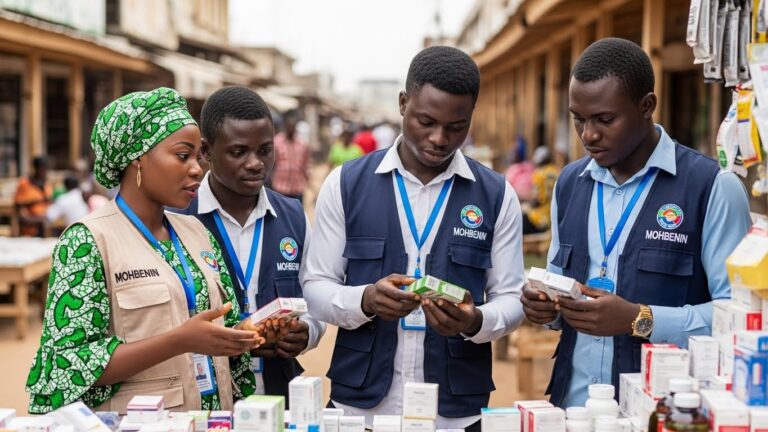
In an era where global health challenges demand unified responses, the Benin Agency for Healthy Products Regulation (MOHBENIN) is at the forefront of regional initiatives to streamline food and drug regulations across West Africa. As the official body under Benin’s Ministry of Health responsible for registering medicines, medical devices, cosmetics, and food supplements, MOHBENIN plays a pivotal role in ensuring product safety, efficacy, and quality. By actively participating in harmonization efforts led by the West African Economic and Monetary Union (UEMOA) and the Economic Community of West African States (ECOWAS), MOHBENIN is contributing to a cohesive regulatory framework that addresses counterfeit drugs, substandard products, and cross-border trade barriers. This collaboration not only enhances public health but also boosts economic integration in the region, aligning with global standards set by the World Health Organization (WHO). As of December 2025, these efforts have gained momentum, with MOHBENIN’s involvement in key meetings underscoring Benin’s commitment to West African pharmaceutical harmonization.
The push for regulatory harmonization in West Africa stems from longstanding challenges like fragmented national systems, which hinder access to affordable, quality medicines. The African Medicines Regulatory Harmonization (AMRH) Initiative, launched in 2009, serves as the continental backbone, fostering collaboration among African Union member states to expedite medicine registration and improve regulatory capacity. In West Africa, this translates to the West Africa Medicines Regulatory Harmonization (WA-MRH) Program, endorsed by all 15 ECOWAS countries, including Benin, Burkina Faso, Ghana, and Nigeria. WA-MRH, supported by the World Bank and WHO, aims to implement a Common Technical Document (CTD) for medicine registration—a standardized format that merges ECOWAS and UEMOA directives. This harmonized approach reduces duplication in evaluations, cuts registration times from years to months, and combats the influx of falsified drugs, which the WHO estimates account for up to 10% of medicines in low- and middle-income countries.
UEMOA, comprising eight French-speaking West African nations including Benin, has been instrumental in aligning pharmaceutical policies since the early 2000s. Its directives on medicine certification emphasize mutual recognition of approvals, allowing products registered in one member state to circulate freely across borders. ECOWAS, with its broader 15-member bloc, complements this through the West African Health Organization (WAHO), which coordinates regional health strategies. Recent studies highlight the effectiveness of these initiatives; for instance, a 2022 assessment showed that harmonized regulations could reduce medicine costs by 20-30% while improving surveillance against substandard imports. MOHBENIN’s alignment with these bodies ensures Benin benefits from shared expertise, training programs, and joint inspections, ultimately safeguarding its citizens from health risks associated with unregulated food and drugs.
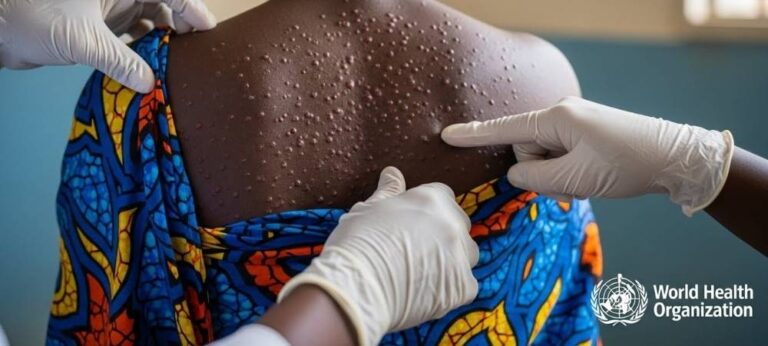
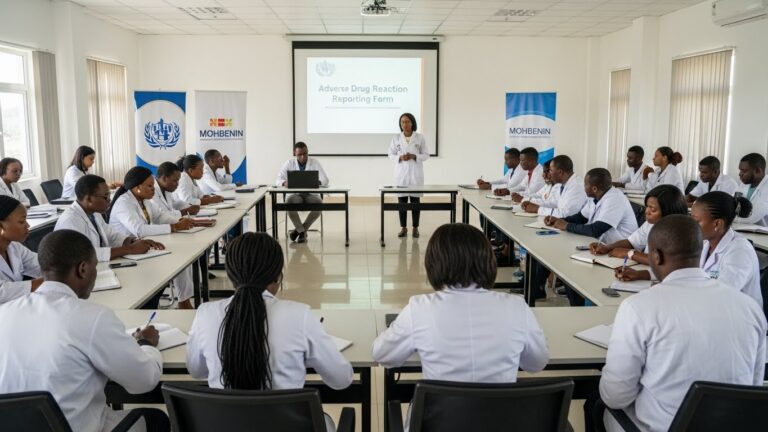
MOHBENIN’s active participation exemplifies Benin’s leadership in these regional endeavors. As a key player in WA-MRH, MOHBENIN has contributed to the development of harmonized guidelines for good manufacturing practices (GMP) and pharmacovigilance—monitoring adverse drug reactions post-market. In Benin, MOHBENIN oversees the registration of over 2,000 health products annually, and its integration into regional systems has streamlined processes for local manufacturers. For example, through UEMOA’s mutual recognition mechanism, Beninese companies can now export certified products to neighboring countries like Togo and Burkina Faso without redundant testing. This not only fosters economic growth but also addresses food safety, as harmonization extends to veterinary medicines and food supplements under ECOWAS protocols. MOHBENIN’s experts have been involved in technical working groups, preparing documents for joint evaluations that ensure consistency in standards across the region.
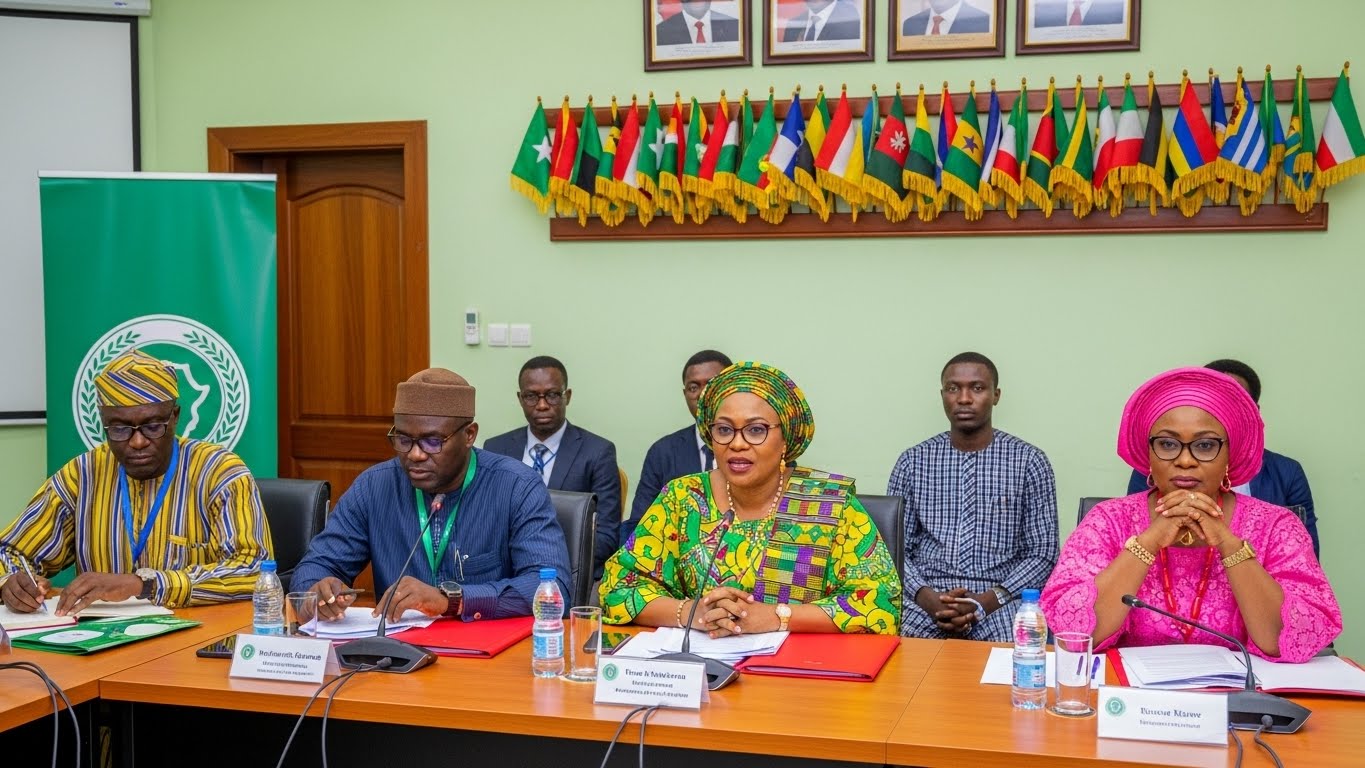
Recent meetings in 2025 have accelerated these efforts. In May, ECOWAS Health Ministers convened in Praia, Cabo Verde, adopting a landmark regional policy on community health that includes strengthened pharmaceutical regulations. This gathering, attended by representatives from 11 member states, focused on updating the 2013 framework for medicine control at borders and veterinary products. MOHBENIN delegates played a crucial role, advocating for digital platforms to facilitate real-time data sharing on product approvals. Similarly, a September meeting in Abidjan reviewed implementation progress, identifying adjustments to combat emerging threats like online counterfeit sales. These discussions build on the second joint drug evaluation session held earlier in the year, where WAHO facilitated assessments for new medicines, reducing approval timelines significantly.
Looking ahead, MOHBENIN’s continued engagement in UEMOA and ECOWAS initiatives promises a more resilient health sector. By 2026, priorities include launching a digital registration platform and expanding market surveillance networks. These steps will not only harmonize food and drug regulations but also position West Africa as a model for African regulatory excellence, ensuring safer medicines for millions.