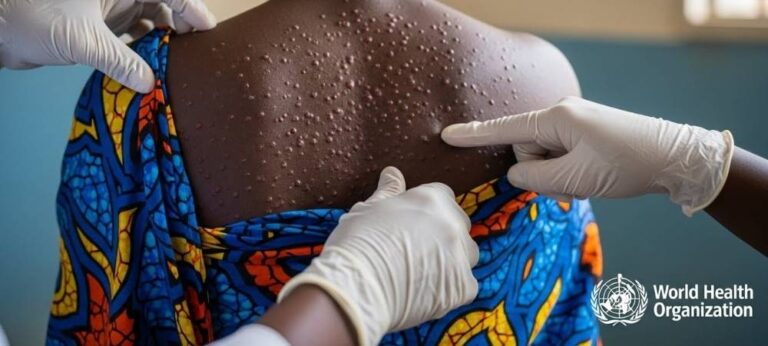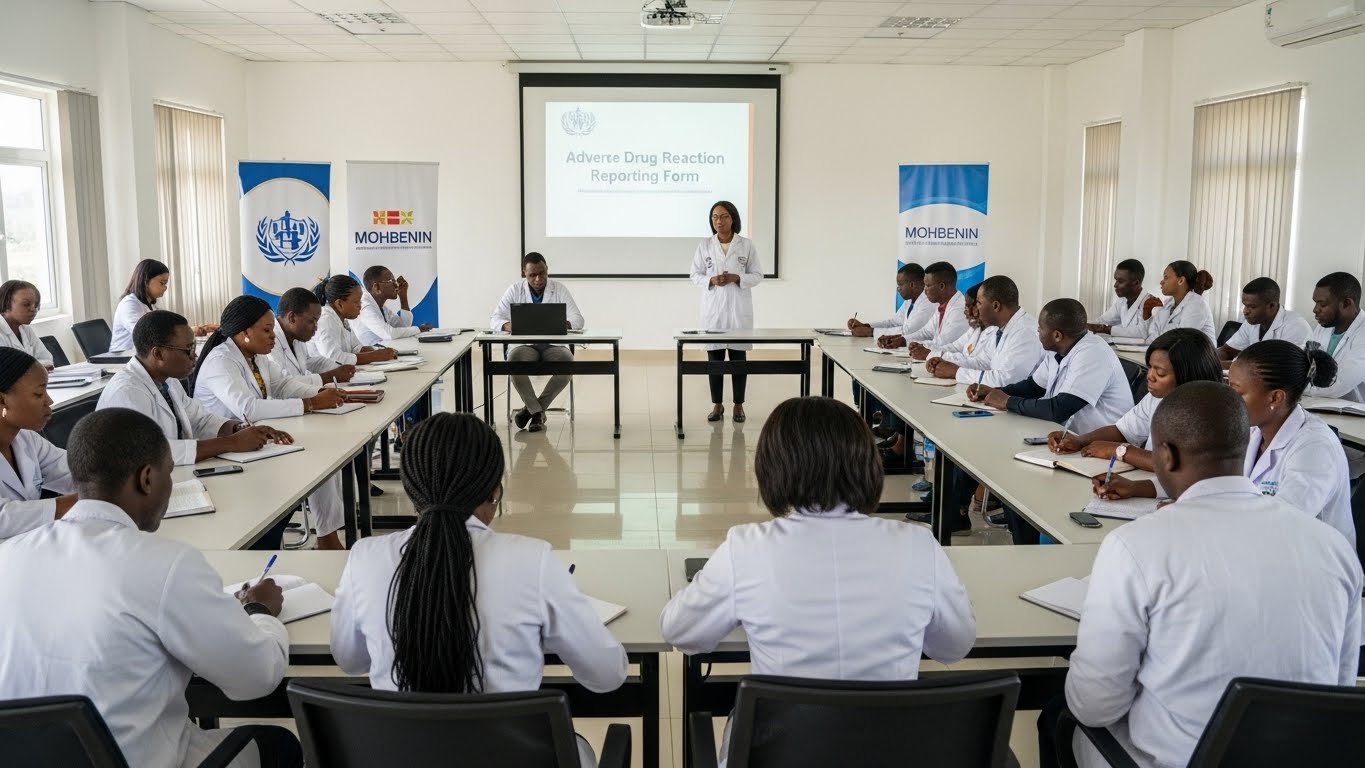
In a major step toward strengthening medicine safety in Benin, the Benin Agency for Pharmaceutical Regulation (MOHBENIN) recently organized a comprehensive training workshop on pharmacovigilance for healthcare professionals across the country. Held in collaboration with international partners, including the World Health Organization (WHO), the three-day event equipped pharmacists, doctors, nurses, and laboratory technicians with essential skills to detect, report, and manage adverse drug reactions (ADRs).
Pharmacovigilance—the science of monitoring the safety of medicines after they reach the market—plays a critical role in protecting public health. This workshop underscores MOHBENIN’s commitment to building a robust national pharmacovigilance system capable of identifying rare or long-term side effects that may not appear during clinical trials.
Highlights of the Pharmacovigilance Training Workshop
The workshop brought together over 100 participants from public and private health facilities, regulatory bodies, and academic institutions. Sessions combined theoretical lectures with practical exercises, covering key topics such as:
- Identifying and classifying adverse drug reactions
- Causality assessment using WHO standardized tools
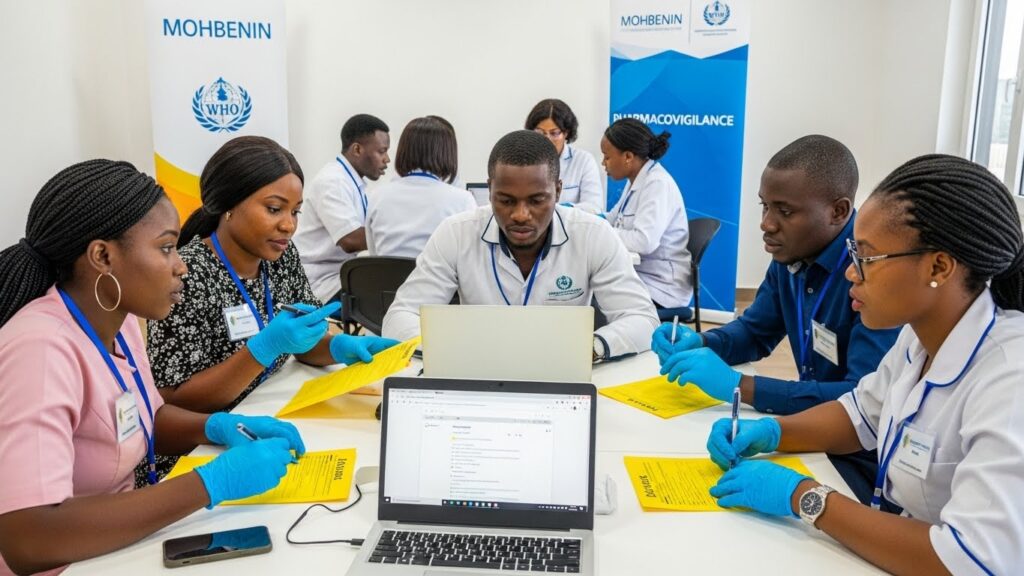
- Proper completion of ADR reporting forms
- Signal detection and risk management
- Role of pharmacovigilance in combating antimicrobial resistance
Expert facilitators from WHO and regional pharmacovigilance centers shared global best practices, while local case studies highlighted real-world challenges in Benin, including reactions to antimalarials, antibiotics, and vaccines.
Participants engaged in interactive role-playing scenarios, simulating how to handle patient reports of side effects and escalate serious cases to MOHBENIN’s national pharmacovigilance center. Digital tools for online reporting were demonstrated, making it easier for busy professionals to contribute data from anywhere in the country.
Why Pharmacovigilance Matters in Benin
Many medicines used in Benin are effective and safe when properly monitored. However, individual patient factors—such as age, genetics, concurrent illnesses, or drug interactions—can lead to unexpected reactions. Under-reporting of ADRs has historically limited the ability to detect safety signals early.
By training frontline healthcare workers, MOHBENIN aims to increase reporting rates significantly. Higher-quality data will enable faster regulatory actions, such as updating warnings, restricting use, or withdrawing dangerous products from the market.
This initiative also supports Benin’s alignment with international standards, including membership in the WHO Programme for International Drug Monitoring. Strong pharmacovigilance contributes directly to achieving Sustainable Development Goal 3: Good Health and Well-being.
Impact on Healthcare Delivery and Patient Safety
Trained professionals return to their workplaces better equipped to:
- Educate patients about potential side effects and the importance of reporting them
- Improve clinical decision-making by accessing up-to-date safety information
- Contribute to evidence-based policy changes at the national level
One participant, a community pharmacist from Porto-Novo, noted, “This training has given me confidence to systematically ask patients about side effects and report them promptly. It’s a game-changer for patient trust and safety.”
The workshop also fostered networking among professionals, creating a community of practice that will continue sharing experiences and alerts beyond the event.
MOHBENIN’s Ongoing Commitment to Capacity Building
This pharmacovigilance workshop is part of a broader series of training programs supported by international partners. Previous sessions have focused on good pharmacy practice, quality control, and counterfeit detection. Future plans include refresher courses, regional trainings, and integration of pharmacovigilance into medical and pharmacy curricula.
MOHBENIN encourages all healthcare professionals to report adverse reactions through its dedicated channels, including a toll-free hotline and online portal. Every report, no matter how small, contributes to a safer medicine landscape.
As Benin continues to modernize its pharmaceutical regulatory framework, investments in human capacity remain essential. Events like this workshop demonstrate that strong pharmacovigilance is not just a technical function—it is a shared responsibility that saves lives.
Healthcare professionals interested in future training opportunities or reporting guidelines can visit the official MOHBENIN website for resources and registration details.
Together, through education and vigilance, we build a healthier and safer Benin.
Keywords: pharmacovigilance training Benin, MOHBENIN workshop, adverse drug reaction reporting, medicine safety Benin, WHO pharmacovigilance, healthcare professional training Africa, pharmacovigilance capacity building, patient safety Benin, MOHBENIN Benin pharmacovigilance